England World Cup Skyjo

The England national football team has a new obsession during the World Cup, and it involves a card game called Skyjo.
Jude Bellingham introduced his teammates to the game, and Morgan Rogers confirmed the squad is "secretly addicted" to it. This isn't the first time professional athletes have turned to tabletop games for downtime, but the specific choice of Skyjo tells us something about what these players want during a high-pressure tournament.
Skyjo is a 2015 abstract card game designed by Alexander Bernhardt. Players receive 12-card hands and work to minimize their score through a simple deduction mechanic. The rounds move quickly. The decisions stay light. Nobody needs to think about penalty shootouts or defensive formations for a few minutes.
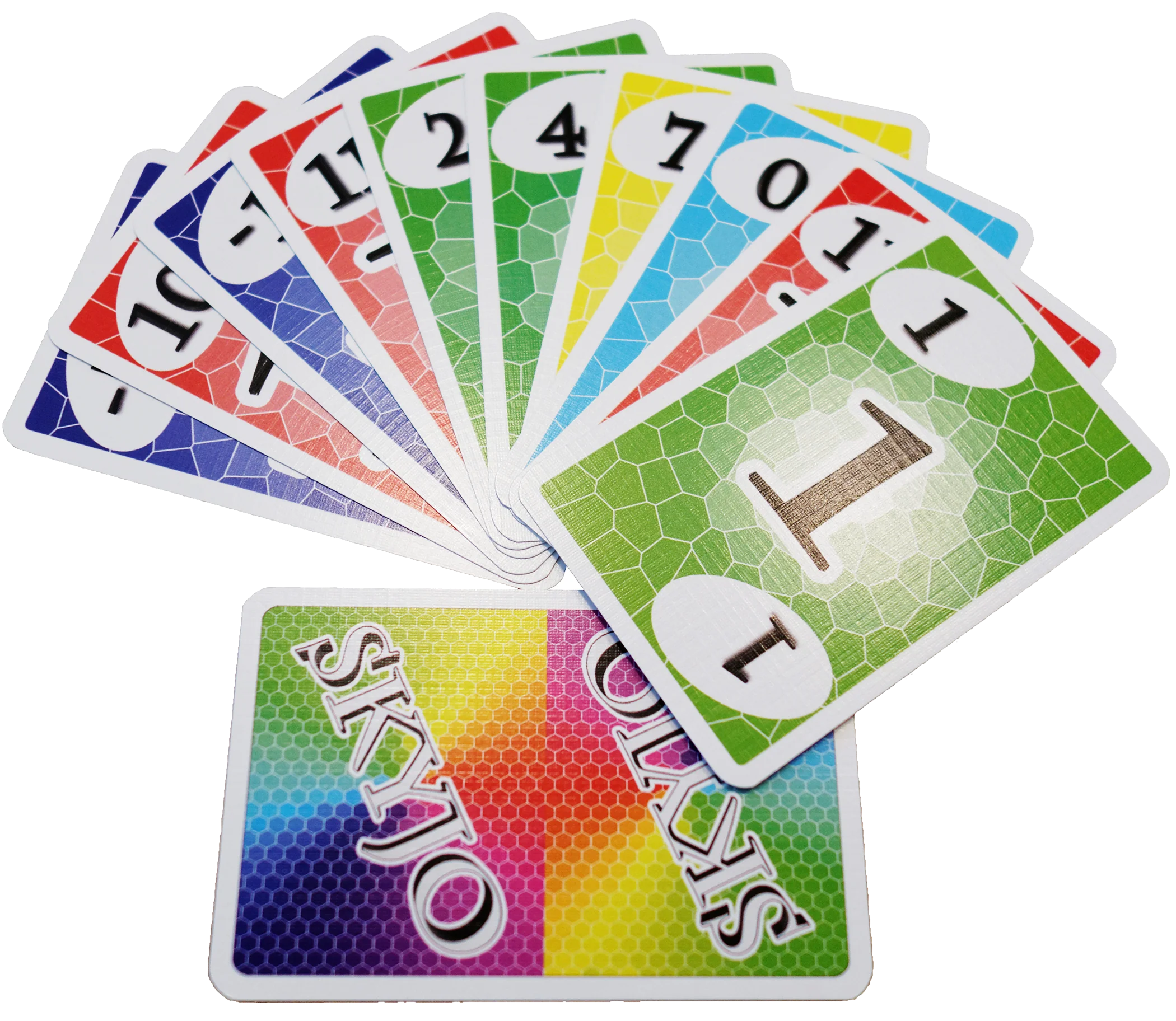
What stands out here is the social function. Team bonding matters in elite sports, and games provide a neutral space where hierarchy softens. Bellingham, one of the team's biggest stars, isn't commanding anyone. He's dealing cards. Rogers, a younger player, feels comfortable admitting the group is hooked. That dynamic serves the squad better than forced team-building exercises ever could.
For parents watching how their kids engage with gaming culture, this story offers a useful counterpoint. Board games aren't just for children's birthday parties or quiet evenings at home. They work as social tools for adults too, including adults at the highest levels of professional competition. The England team didn't turn to video games with loot boxes or competitive shooters with toxic lobbies. They picked up a physical card game that requires face-to-face interaction and light strategy.
The game itself has been around since 2015, which means it has passed the test of time. It's not a flash-in-the-pandemic app that will vanish when the next trend arrives. Companies like Ravensburger distribute it widely, and local game stores stock it. That kind of staying power suggests the mechanics work and the experience holds up across multiple play sessions.
When the World Cup ends, whether England lifts the trophy or goes home early, this moment will fade into the background. But it points to something real about how gaming continues to integrate into mainstream culture. Professional athletes are not hiding their card game habit. They're talking about it in interviews. The media covers it without irony.
For Crosspad readers who wonder whether board games have a place in their own families, the England team's Skyjo addiction offers a simple answer. Games create shared experiences. They give people something to do together that doesn't involve screens or structured competition. And sometimes, they help a group of the world's best footballers relax before a match that could define their careers.
The next time you see Jude Bellingham on the pitch, remember that he's also the guy who brought Skyjo to the England dressing room. That's not just a fun fact. It's a reminder that the people we watch compete at the highest levels still need downtime, still value connection, and still find joy in simple card games.
Continue exploring Boardgames coverage from Crosspad Gaming.